
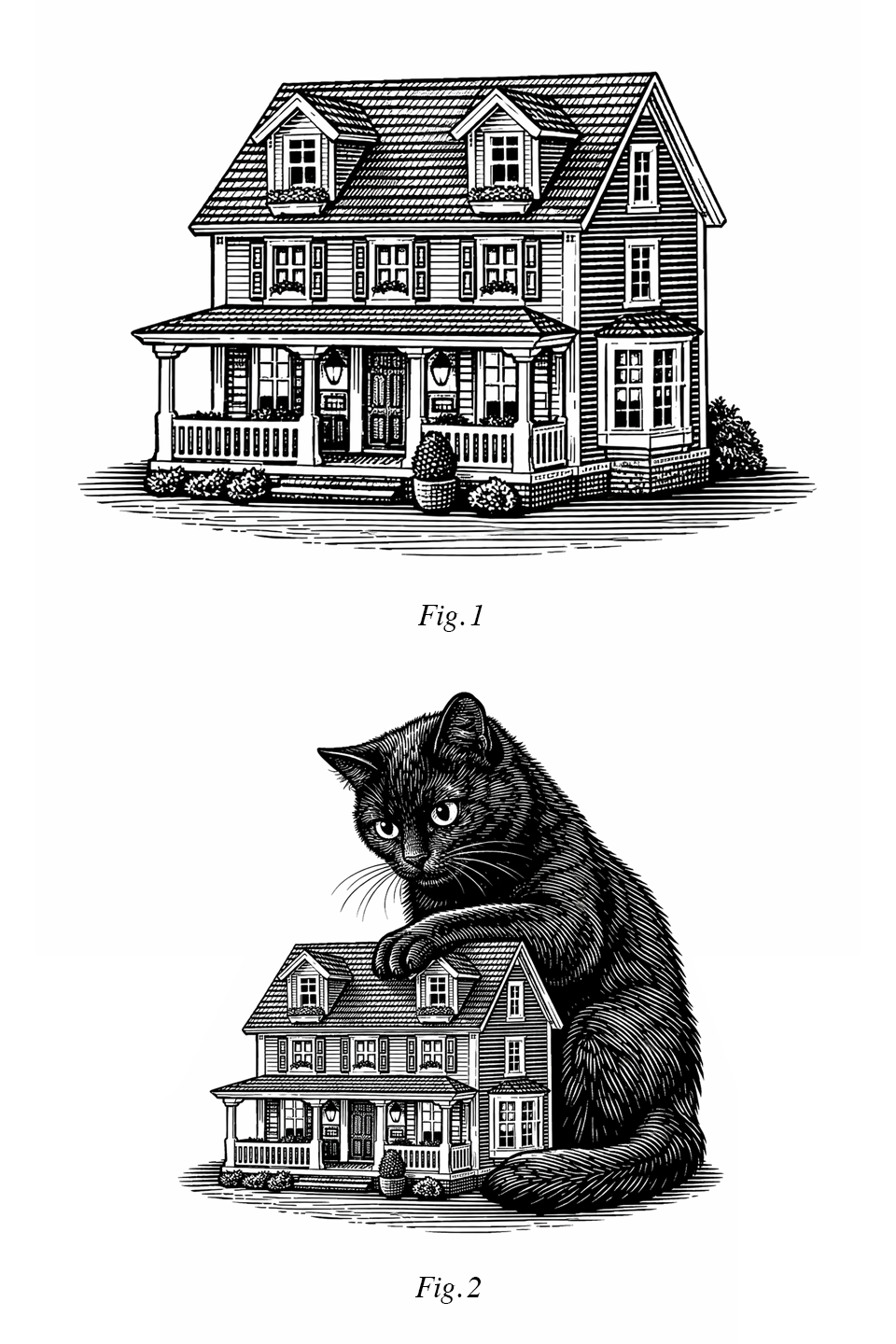
Design elements mean nothing on their own. Relationships create meaning.
A single shape on a page tells us very little. Two shapes, placed together, create a relationship — and with it, meaning.
This is the foundation of visual hierarchy. We notice differences before we notice details. Larger elements draw attention sooner. Contrast creates emphasis. Position signals importance. Spacing isolates and elevates. Repetition establishes rhythm and expectation.
These are not decorative tricks. They are how information is structured and understood.
When a design feels confusing, it’s rarely because the elements are wrong. It’s because their relationships are.
Fix the relationships, and meaning follows.