
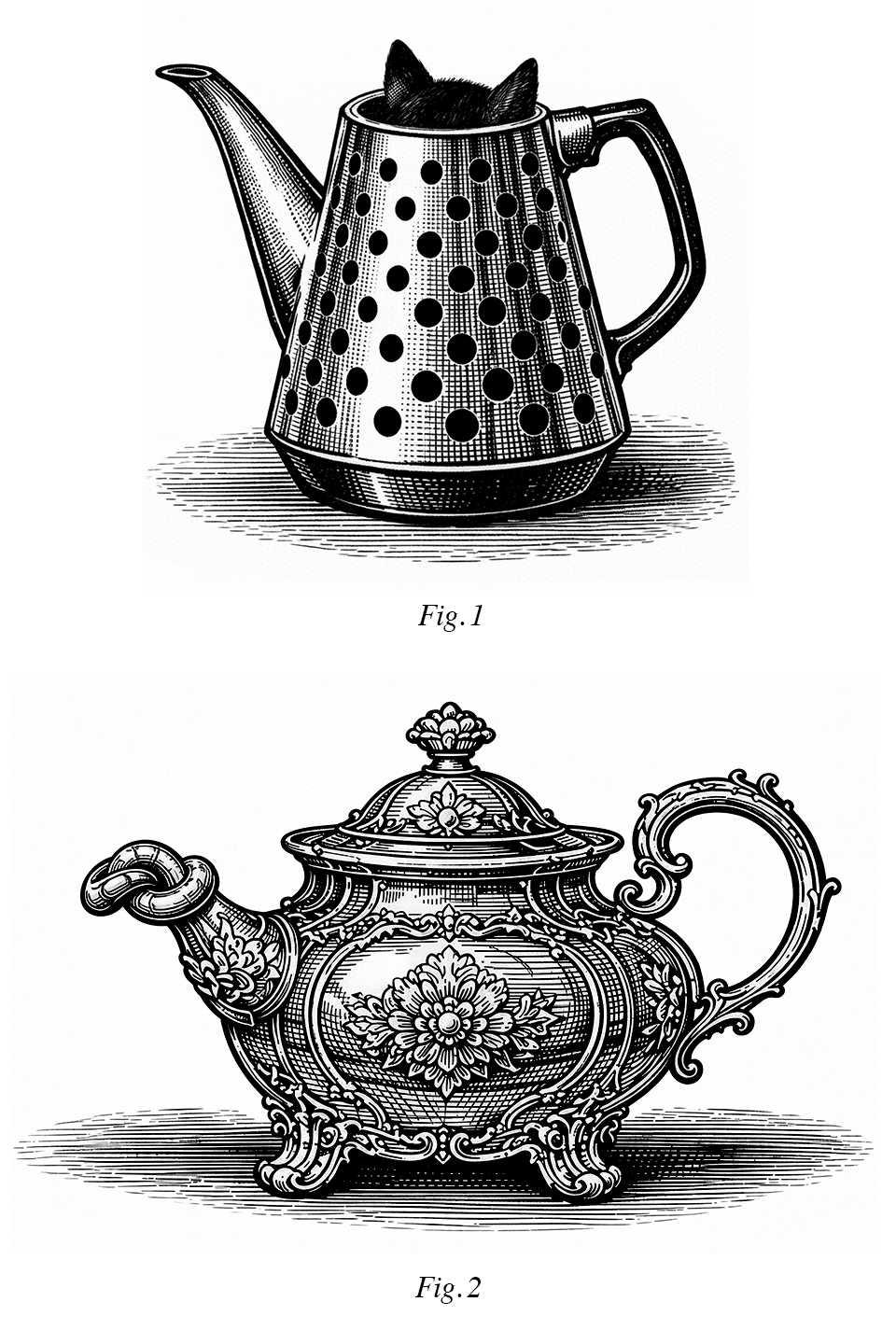
Taste is personal. Effectiveness is not.
Taste is useful. It tells us what we like, what we’re drawn to, what feels familiar or exciting. But taste is a terrible way to judge design, because it offers no shared ground. Two people can disagree about taste forever and both be right.
Design only becomes discussable when we move past taste and toward intent. What is this trying to do? Who is it for? What outcome does it need to produce?
Once effectiveness becomes the standard, critique stops being emotional and starts being useful. We’re no longer saying “I don’t like it.” We’re asking whether the design helps someone understand something, decide something, or do something.
Taste can still play a role — but only after effectiveness is established. When taste leads, critique fragments. When purpose leads, critique aligns.
Good designers don’t abandon taste. They subordinate it.