
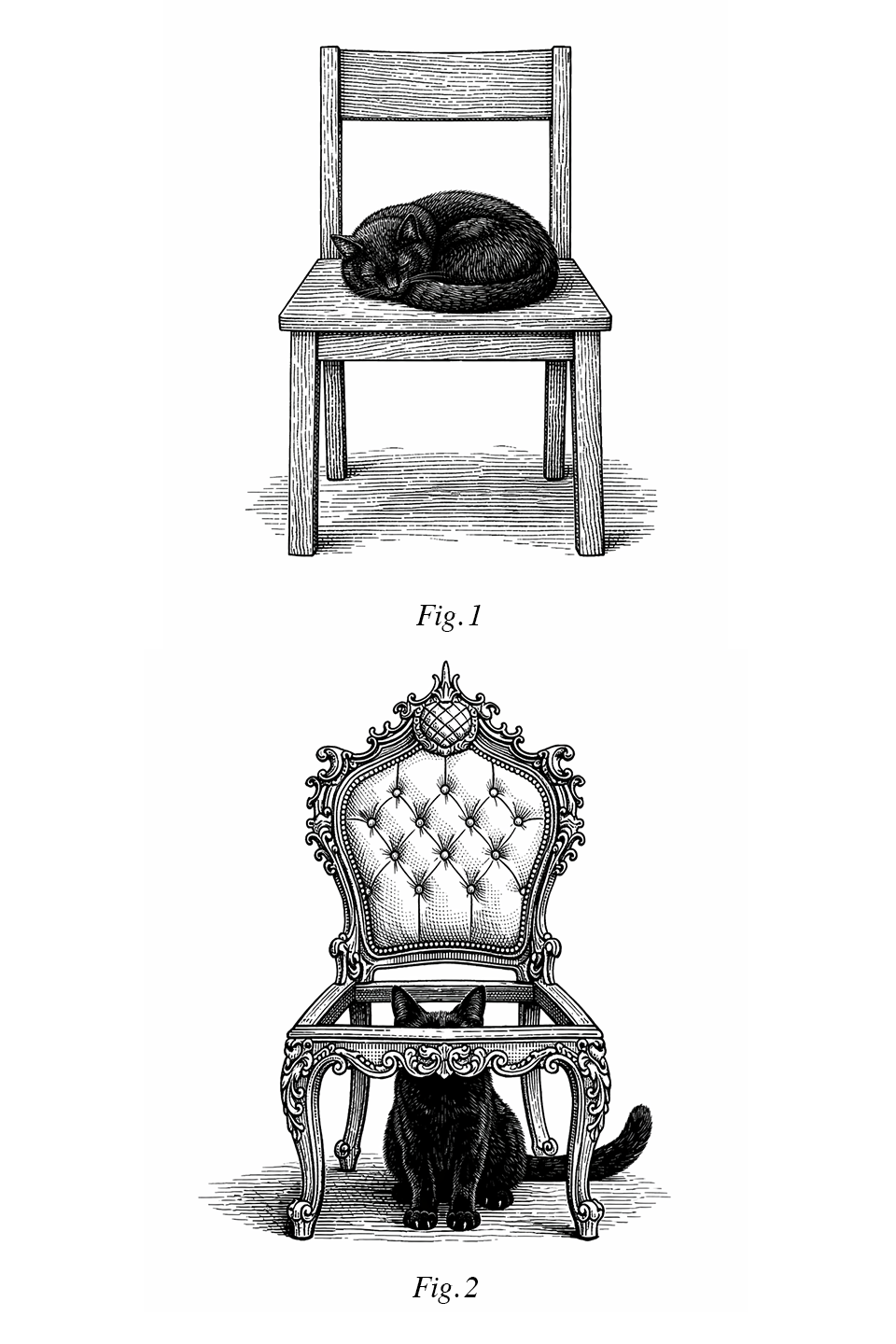
Good design works where purpose, audience, and constraints meet.
Once the problem is clear, design stops being subjective. It becomes evaluative.
Every design can be judged against three forces:
Purpose: what it needs to achieve
Audience: who it’s for, and what they bring with them
Constraints: time, budget, medium, brand, accessibility, technology
These forces rarely align perfectly. Good design doesn’t pretend they do. Instead, it makes informed trade-offs and owns them.
If the purpose is misunderstood, the design will drift. If the audience is misread, the design will miss. If constraints are ignored, the design will fail in reality.
These forces don’t limit design — they give it context. And context is what makes decisions defensible.